

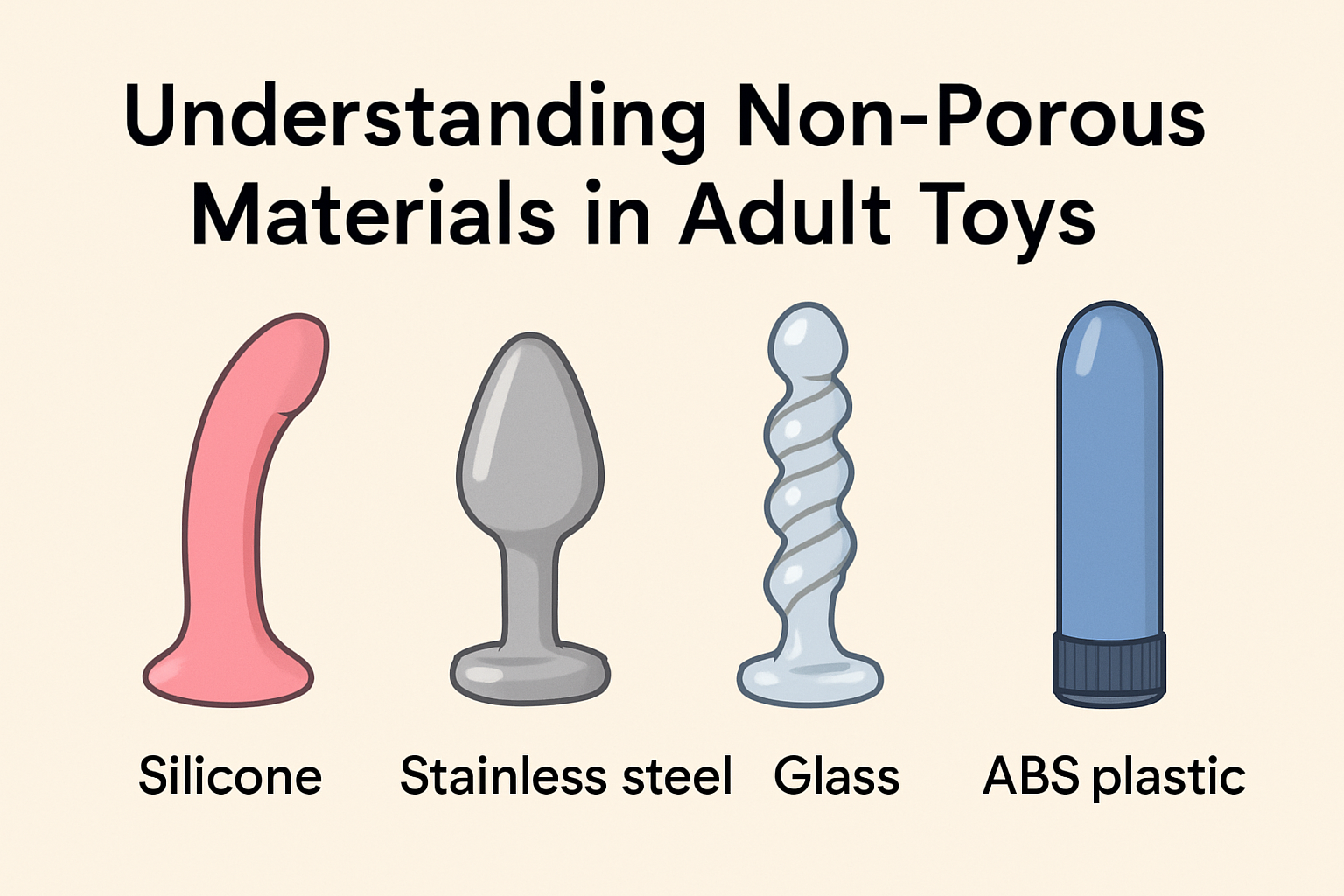
Understanding the Science Behind Non-Porous Materials
Material porosity fundamentally determines the safety profile of intimate products. Non-porous materials possess a molecular structure that prevents microscopic organisms from penetrating the surface, creating an impermeable barrier against bacterial colonization. This impermeability stems from the tight molecular bonds within the material matrix, leaving no interstitial spaces for pathogens to establish residence.
The distinction between porous and non-porous materials becomes critically important when considering intimate contact applications. Porous materials contain microscopic cavities that can harbor bacteria, fungi, and other microorganisms even after thorough cleaning protocols. These materials essentially become biological reservoirs, potentially compromising user health through repeated exposure to accumulated contaminants.
Molecular Structure and Surface Integrity
Non-porous materials maintain consistent molecular density throughout their structure. Medical-grade silicone, for instance, exhibits cross-linked polymer chains that create a continuous, non-permeable surface. This molecular architecture prevents degradation from cleaning agents while maintaining structural integrity over extended use periods.
Surface smoothness at the microscopic level further enhances safety characteristics. Non-porous materials typically display uniform surface topography, eliminating microscopic irregularities where contaminants might accumulate. This smoothness facilitates complete sanitization during routine cleaning procedures.
Material Categories and Safety Classifications
Understanding material classifications empowers consumers to make informed decisions regarding intimate product safety. The adult toy industry utilizes various materials, but only specific categories meet the stringent requirements for body-safe applications.
Premium Silicone Classifications
Medical-grade silicone represents the gold standard for intimate products. This platinum-catalyzed material undergoes rigorous purification processes to eliminate potentially harmful additives. Food-grade silicone offers comparable safety profiles, meeting FDA standards for direct food contact applications.
Silicone's biocompatibility stems from its inert chemical properties. The material resists degradation from bodily fluids, lubricants, and cleaning solutions while maintaining dimensional stability across temperature variations. These characteristics ensure long-term safety and performance reliability.
Glass and Metal Alternatives
Borosilicate glass provides another excellent non-porous option for intimate applications. This specialized glass formulation exhibits exceptional chemical resistance and thermal stability. The material's smooth, non-reactive surface enables complete sterilization through various methods, including boiling and UV sanitization.
High-grade stainless steel, specifically 316L surgical steel, offers durability and complete non-porosity. The material's chromium content creates a passive oxide layer that resists corrosion and bacterial adhesion. These metals maintain their safety characteristics indefinitely when properly maintained.
Health Implications and Safety Considerations
The health ramifications of material selection extend beyond immediate safety concerns. Porous materials can introduce chronic exposure risks through bacterial accumulation and chemical leaching. Understanding these implications helps users prioritize their long-term wellness.
"The intimate nature of adult toy usage demands the highest safety standards. Non-porous materials eliminate the risk of bacterial harboring while ensuring chemical stability during extended use periods."
Bacterial Proliferation and Infection Risks
Porous materials create microenvironments conducive to bacterial growth. These microscopic spaces retain moisture and organic matter, providing nutrients for pathogenic organisms. Even aggressive cleaning protocols may fail to eliminate deeply embedded contaminants within porous structures.
Non-porous materials eliminate these bacterial reservoirs entirely. Their impermeable surfaces prevent microbial penetration, ensuring that surface cleaning removes all potential contaminants. This characteristic significantly reduces infection risks associated with intimate product usage.
Chemical Stability and Toxic Exposure
Material degradation represents another critical safety consideration. Inferior materials may release harmful compounds through chemical breakdown or plasticizer migration. These substances can cause irritation, allergic reactions, or more serious health consequences through repeated exposure.
Premium non-porous materials maintain chemical stability throughout their service life. Medical-grade silicone, for example, resists degradation from exposure to bodily fluids, cleaning agents, and temperature variations. This stability ensures that users avoid exposure to potentially harmful breakdown products.
Identification and Testing Methods
Distinguishing between porous and non-porous materials requires specific knowledge and testing techniques. Visual inspection alone proves insufficient for accurate material identification, necessitating more sophisticated evaluation methods.
The Flame Test Method
The flame test provides a reliable method for identifying genuine silicone products. Authentic medical-grade silicone produces white ash when exposed to flame, while inferior materials generate black smoke or colored residue. This test should only be performed on inconspicuous areas and requires proper ventilation and safety precautions.
However, this testing method has limitations and potential risks. The flame test destroys a portion of the product and may void warranty coverage. Additionally, some legitimate materials may produce unexpected results, leading to false conclusions about product safety.
Professional Certification and Documentation
Reputable manufacturers provide comprehensive material documentation and safety certifications. These documents specify the exact material composition, manufacturing processes, and compliance with relevant safety standards. FDA registration, CE marking, and ISO certifications indicate adherence to rigorous safety protocols.
Third-party testing laboratories can provide definitive material analysis when documentation proves insufficient. These facilities utilize spectroscopic analysis and other advanced techniques to identify material composition and verify safety claims. Such testing becomes particularly valuable for expensive or frequently used items.
Maintenance and Longevity Considerations
Proper maintenance protocols ensure that non-porous materials maintain their safety characteristics throughout their service life. Understanding appropriate cleaning methods and storage conditions maximizes both safety and product longevity.
Cleaning Protocols for Different Materials
Each non-porous material requires specific cleaning approaches to maintain optimal safety and performance. The following table outlines recommended cleaning methods for common non-porous materials:
| Material Type | Primary Cleaning Method | Alternative Methods | Avoid |
|---|---|---|---|
| Medical-Grade Silicone | Mild soap and warm water | Boiling, UV sanitization | Harsh detergents, oils |
| Borosilicate Glass | Antibacterial soap solution | Dishwasher, sterilization | Rapid temperature changes |
| Surgical Steel | Isopropyl alcohol wipes | Steam sterilization | Abrasive cleaners |
Storage and Environmental Factors
Environmental conditions significantly impact material integrity over time. High humidity, extreme temperatures, and direct sunlight can accelerate degradation processes even in premium non-porous materials. Proper storage in cool, dry environments extends product lifespan while maintaining safety characteristics.
Separation from reactive materials prevents chemical contamination. Storing different materials in individual containers or compartments eliminates potential cross-contamination issues. This practice becomes particularly important for collections containing multiple material types.
Frequently Asked Questions About Material Safety
How can I verify if my current toys are made from safe materials?
Product verification requires examining manufacturer documentation, material certifications, and physical characteristics. Reputable manufacturers provide detailed material specifications and safety certifications. If documentation is unavailable, consider replacing questionable items with certified alternatives from established manufacturers.
Do non-porous materials require special lubricants?
Material compatibility varies depending on the specific non-porous material and lubricant formulation. Water-based lubricants generally provide universal compatibility across all non-porous materials. Silicone-based lubricants may degrade silicone products, while oil-based formulations can affect certain material types. Always verify compatibility before use.
What warranty considerations should I expect from quality manufacturers?
Premium manufacturers typically offer extended warranty coverage reflecting confidence in their material quality and construction methods. Comprehensive warranties covering material defects, structural integrity, and performance issues indicate superior manufacturing standards. Warranty terms often correlate directly with product quality and material safety characteristics.
Making Informed Purchasing Decisions
Consumer education represents the most effective strategy for ensuring intimate product safety. Understanding material properties, manufacturer credentials, and safety certifications empowers users to make decisions aligned with their health priorities and quality expectations.
Investment in premium non-porous materials provides long-term value through enhanced safety, durability, and performance reliability. While initial costs may exceed inferior alternatives, the total cost of ownership often favors quality products through extended service life and reduced health risks.
- Research manufacturer credentials and safety certifications
- Verify material specifications and testing documentation
- Consider warranty coverage and customer support availability
- Evaluate cleaning and maintenance requirements
- Compare total cost of ownership including replacement frequency
The intimate nature of adult toy usage demands uncompromising safety standards. Non-porous materials provide the foundation for safe, enjoyable experiences while eliminating the health risks associated with inferior alternatives. By understanding material science, safety implications, and proper maintenance protocols, users can confidently select products that prioritize their wellbeing without compromising quality or performance.


