

Quick answer: Hormonal changes can be one reason desire changes, but there is no single “libido hormone” or universal level that explains every person's experience. Sleep, stress, pain, relationships, medication and health conditions may matter too. If the change bothers you, describe when it began and what else changed, then ask a qualified clinician about possible causes and options. Avoid self-diagnosing from a quiz or supplement advert.
Why is desire more complicated than a hormone level?
Sexual desire varies between people and across periods of life. The NHS low-libido guidance lists several possible contributors, including stress, relationship issues, pregnancy or childbirth, menopause, medication and other health conditions. The presence of one factor does not identify the cause by itself. Nor does a change automatically mean there is something wrong: the important question is whether it is new, persistent or distressing to you.
ACOG's sexual-health FAQ notes that sexual concerns can involve physical and emotional factors. A clinician may ask about both because they interact, not because your concern is being dismissed. If pain or dryness is present, those symptoms deserve their own assessment; they should not be hidden under the label “low libido.” If medication is involved, do not stop or adjust it based on an article.
Which patterns are worth noticing?
Write down when you first noticed a difference and whether it coincided with a new medicine, major stress, disrupted sleep, pregnancy, childbirth, menstrual changes or menopause symptoms. Note whether you also have pain, dryness, mood changes or fatigue. You need not measure desire daily or compare yourself with someone else's “normal.” A few observations about what has changed and what you want help with are enough to begin a conversation.
| What changed? | Useful context to note | Possible next question |
|---|---|---|
| Desire changed suddenly | Approximate date, major events, new medication | What should we review first? |
| Intimacy is uncomfortable | Pain, dryness, location and timing | Could a treatable symptom be involved? |
| Changes around menopause | Cycle changes, sleep and other symptoms | Which options are appropriate for me? |
| Stress and mood are prominent | Sleep, workload, mood and relationship context | What support would help alongside medical review? |
The table is a conversation prompt, not a diagnostic test. More than one column may apply, and a clinician may ask about other factors entirely.
How do you prepare for a health appointment?
Bring your brief pattern notes, a list of medicines and supplements, and two or three goals such as “I want to understand why this changed” or “I want intimacy to be less painful.” Mention symptoms even if they feel unrelated. Ask which causes should be considered and whether examination, tests or referral are appropriate in your situation. It is reasonable to ask how much uncertainty remains and when to follow up if the first plan does not help.
Menopause is one possible context, not a label to apply to everyone. The NHS menopause treatment page describes options that depend on symptoms, history and individual preferences. Decisions about hormone treatment belong with a qualified prescriber. For a fuller discussion of emotional load and desire, see our stress and libido guide.
What can you ask the clinician?
Try: “What might explain this change besides hormones?”, “Which symptoms need separate assessment?”, “Could any current medicine contribute?”, “What are the benefits and risks of the options for me?” and “When should we review the plan?” These questions make room for physical, mental and relationship factors without assuming any one cause. If you feel unheard, ask for clarification or a second qualified opinion. You deserve a conversation that addresses the concern you actually brought.
Can a vibrator rebalance hormones?
No. Daziner does not claim that a vibrator diagnoses, rebalances or treats a hormonal condition. Adults may choose a product for pleasure, comfort or exploration, but purchasing one is a separate decision from medical care. If touch is painful, stop and seek assessment. The right clinical advice may differ by cause, medication and medical history; a product page cannot make that decision for you.
Common questions
Does low desire always mean low estrogen or testosterone?
No. Desire is affected by many factors, and symptoms alone do not establish a hormone diagnosis.
Should I order a hormone test myself?
Discuss the concern with a clinician who can decide whether testing would answer a useful question in your situation.
Is it normal for desire to change?
Variation is common. A change that distresses you or comes with other symptoms is worth discussing.
Sources and editorial approach
Prepared by Daziner Editorial Team using NHS low-libido guidance, ACOG sexual-health information and NHS menopause treatment guidance. We reviewed VUSH's hormone article and added a practical decision conversation while avoiding a one-hormone explanation. General education only; no clinical review is claimed.
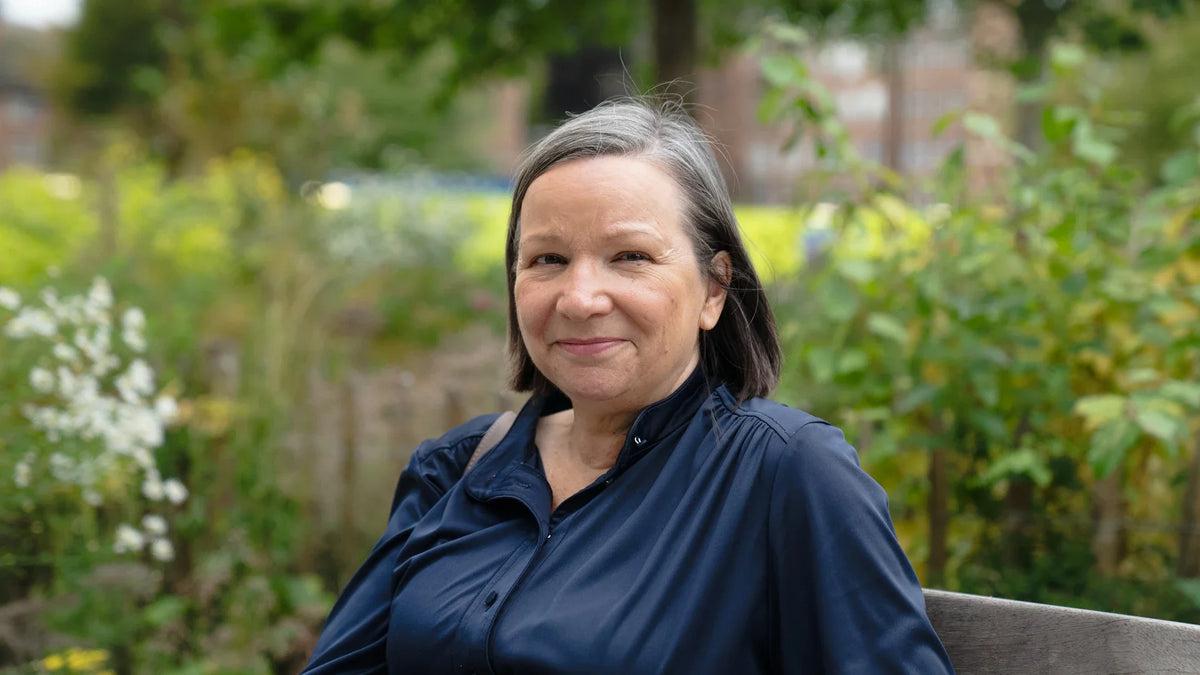
Cover: Centre for Ageing Better / Unsplash. Illustrative photograph; no product use or endorsement is depicted.


