

Quick answer: Self-care is a response to a need, not another task you must perform well. Before choosing an activity, ask what would make the next hour easier: rest, practical help, connection, privacy or enjoyment. Pick one option that fits your energy and budget. You do not need a product, an elaborate routine or a measurable transformation for the choice to count.
What do you actually need today?
“Practice self-love” is appealing advice, but it can become vague or expensive. If you are exhausted, a demanding journal prompt may not help. If you feel isolated, another solo activity may not address the problem. Start with a brief check-in: What is taking the most energy? What can wait? What would offer even a little relief without creating a new obligation?
The NHS Every Mind Matters program emphasizes small, achievable actions and finding support that fits your situation. That is a useful standard here: realistic beats impressive. A five-minute pause, asking someone to share a chore, or going to bed earlier may serve a clearer purpose than an ambitious “reset day.”
A one-sentence check-in
“I have enough energy for ___, and what I most need is ___.” If you cannot name an action, choose the smallest step that protects time to think. There is no test to pass.
Which self-care activity fits the situation?
The best option depends on the problem you are trying to solve. Use this menu as a starting point rather than a list to finish. All the first options are free.
| If you need… | Low-effort starting point | If that does not fit |
|---|---|---|
| Rest | Put a non-urgent task aside and sit somewhere comfortable. | Ask for help with the task that is blocking rest. |
| Connection | Send a specific message: “Could we talk for ten minutes?” | Choose a trusted person or support service, not whoever responds fastest. |
| More control | Write down the one decision you can make today. | Leave larger decisions for a less pressured time. |
| Enjoyment | Listen to music or revisit a hobby with no outcome target. | Try something sensory and simple, such as a warm drink. |
| Privacy | Ask for uninterrupted time without explaining every detail. | Find a quieter place or a later window that is actually available. |
Small actions are not a substitute for food, money, healthcare, safety or supportive relationships. If the problem is structural, it is reasonable to ask for material help rather than blame yourself for lacking a better routine.
How do you stop self-care becoming another demand?
Watch for rules that turn care into a score: “I must do this daily,” “It only counts if I feel better immediately,” or “I need to buy something first.” Replace them with a trial: “Would this help me right now?” You can stop an activity that does not fit. The NHS guidance on a wellbeing routine encourages noticing what actually helps rather than copying someone else's plan.
Energy and circumstances change. On one day, self-care might mean seeing a friend. On another, it might mean declining an invitation. A routine can be useful if it supports you; it does not become morally better because it is longer or more photogenic. Revisit it when the season of your life changes.
Does intimacy have to be part of self-care?
No. Pleasure and intimacy are options, not requirements or medical treatments. Some adults enjoy private time, affection, a conversation with a partner or solo exploration. Others do not want any of that today. Both responses are valid. If you choose intimate activity, it should be wanted and comfortable; a partner's needs do not turn it into a self-care duty.
For people curious about solo sexuality, our adult self-pleasure overview explains the basics without a target or timetable. If you are considering a device, begin with your own preferences, privacy needs and the exact model instructions. A purchase is not a shortcut around stress, pain or a difficult conversation.
If you share space with a partner, a useful question is: “Would closeness feel supportive today, or would something else help more?” It invites a real answer instead of assuming affection must lead to sex. Our guide to different sex drives discusses consent and expectations in more detail.
When do you need more than a self-care idea?
When low mood, anxiety, stress or exhaustion repeatedly disrupt daily life, consider speaking with a qualified health professional or a trusted support service. If there is pain, ongoing sleep trouble or a new medication effect, the relevant clinician can help assess causes. No tea, journal, vibrator or breathing exercise should be presented as a replacement for that care.
It may also help to ask for practical support: a shared chore, childcare, a break from work where possible, or help arranging an appointment. The goal is not to become endlessly resilient; it is to have needs met. If an activity leaves you feeling more burdened, change or drop it.
Common questions about self-care
What if I only have five minutes?
Choose a five-minute action that matches a real need, such as water, a pause or a message asking for help. Longer is not automatically better.
Do I need to enjoy every self-care activity?
No. Some useful care is practical rather than enjoyable. If an activity consistently drains you, choose another.
Is self-care the same as self-pleasure?
No. Self-pleasure may be one voluntary form of enjoyment for an adult, but self-care includes rest, connection, healthcare and practical support.
Sources and editorial approach
Prepared by Daziner Editorial Team using NHS Every Mind Matters and its wellbeing routine guidance. We reviewed VUSH's self-love list for topic coverage and created an original needs-first decision tool. No medical review or claim that an individual photograph depicts a specific need is implied.
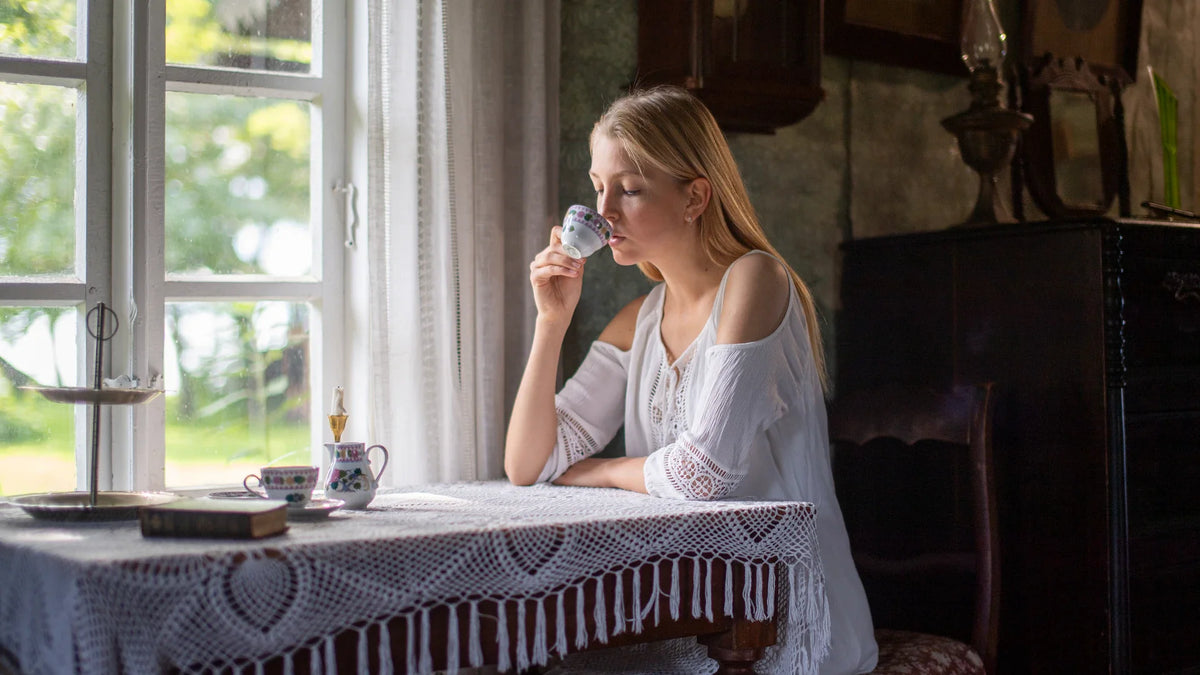
Cover: Margo Evardson / Unsplash. Illustrative photograph; no product use or endorsement is depicted.


